How NVIDIA engineers and researchers build with Codex
Teams use Codex with GPT-5.5 to ship production systems and turn research ideas into runnable experiments.

50 articles found
Teams use Codex with GPT-5.5 to ship production systems and turn research ideas into runnable experiments.
Researchers at Jülich Supercomputing Centre and NVIDIA achieved a record-breaking milestone by simulating a 50-qubit quantum computer using JUPITER, Europe's first exascale supercomputer, surpassing the previous 48-qubit record. The breakthrough demonstrates how advanced supercomputing enables quantum research validation and algorithm development, with the simulation requiring 2 petabytes of memory and managing over 2 quadrillion complex numerical values across thousands of computing nodes.
1X Technologies has launched full-scale production of its NEO humanoid robot at a new 58,000-sq.-ft. facility in Hayward, California, featuring vertically integrated manufacturing and custom motor production on automated lines. The robots are powered by NVIDIA's Jetson Thor AI platform and undergo over 20 million cycles of stress testing; early units are already assisting with factory logistics while the company plans to begin consumer shipments in 2026.
OpenAI has partnered with AMD, Broadcom, Intel, Microsoft, and NVIDIA to develop MRC (Multipath Reliable Connection), a novel networking protocol designed to improve GPU performance and resilience in large-scale AI training clusters. The protocol addresses key challenges in frontier model training by minimizing network congestion, reducing failure impact through redundancy, and enabling more efficient data movement across supercomputer networks at the scale of OpenAI's Stargate infrastructure.

Amazon, Microsoft, NVIDIA, OpenAI, Google, and xAI have all signed deals to provide AI to the Pentagon's classified networks. The speed and scale of this shift raises uncomfortable questions about who's really driving AI development—and for what purpose.
Amazon Web Services, Microsoft, NVIDIA, and Reflection AI have signed agreements to provide AI technologies to the Pentagon for use on classified military networks, joining OpenAI, Google, and xAI in similar deals. The announcements highlight the rapid adoption of AI by the US Defense Department, though Anthropic remains the only major US AI provider without a Pentagon agreement after refusing to remove safeguards on its Claude chatbot.
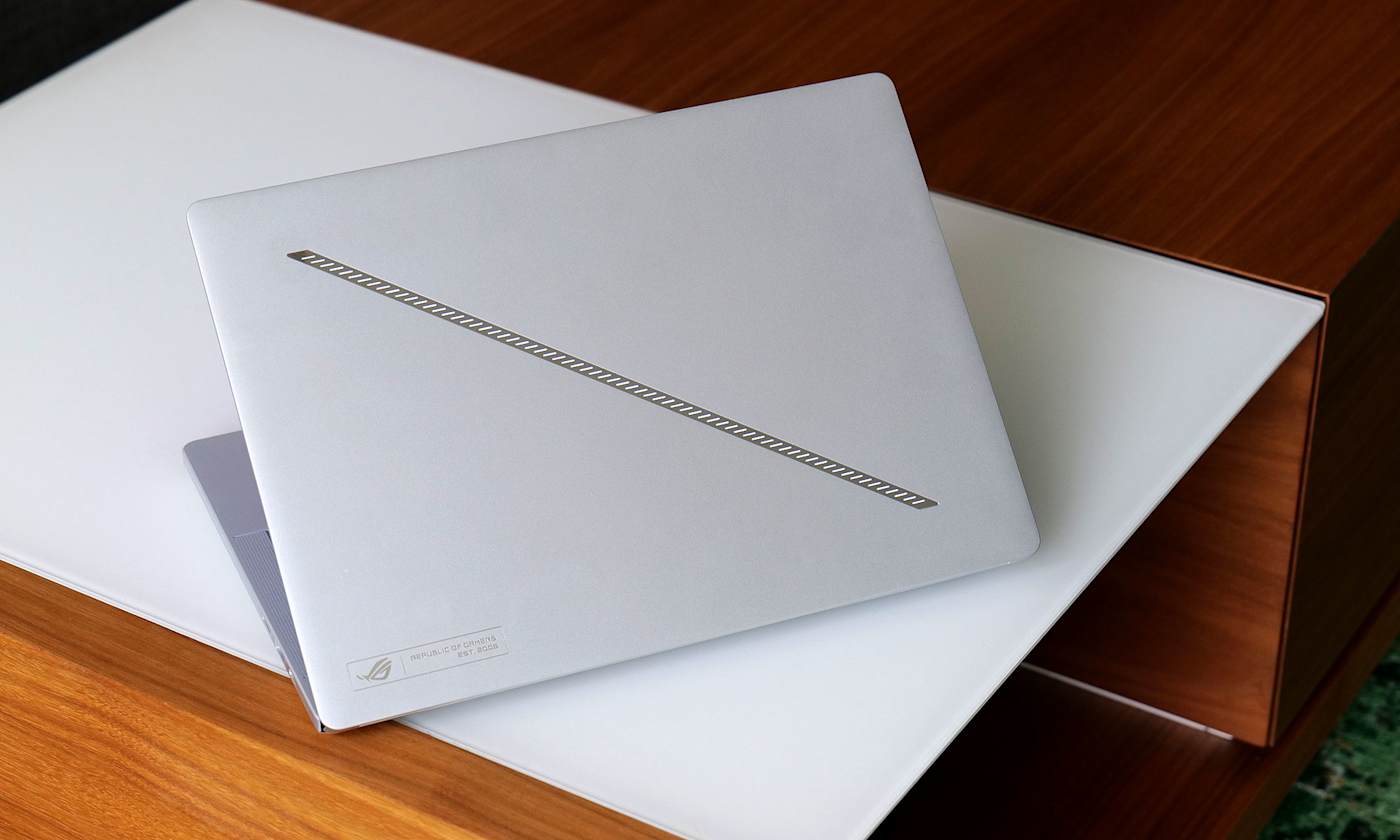
NVIDIA is releasing a new variant of its 5070 GPU for laptops. Nestled in a blog post about the latest version of its Game Ready Drivers, the company notes its partners will soon start selling 5070 la...
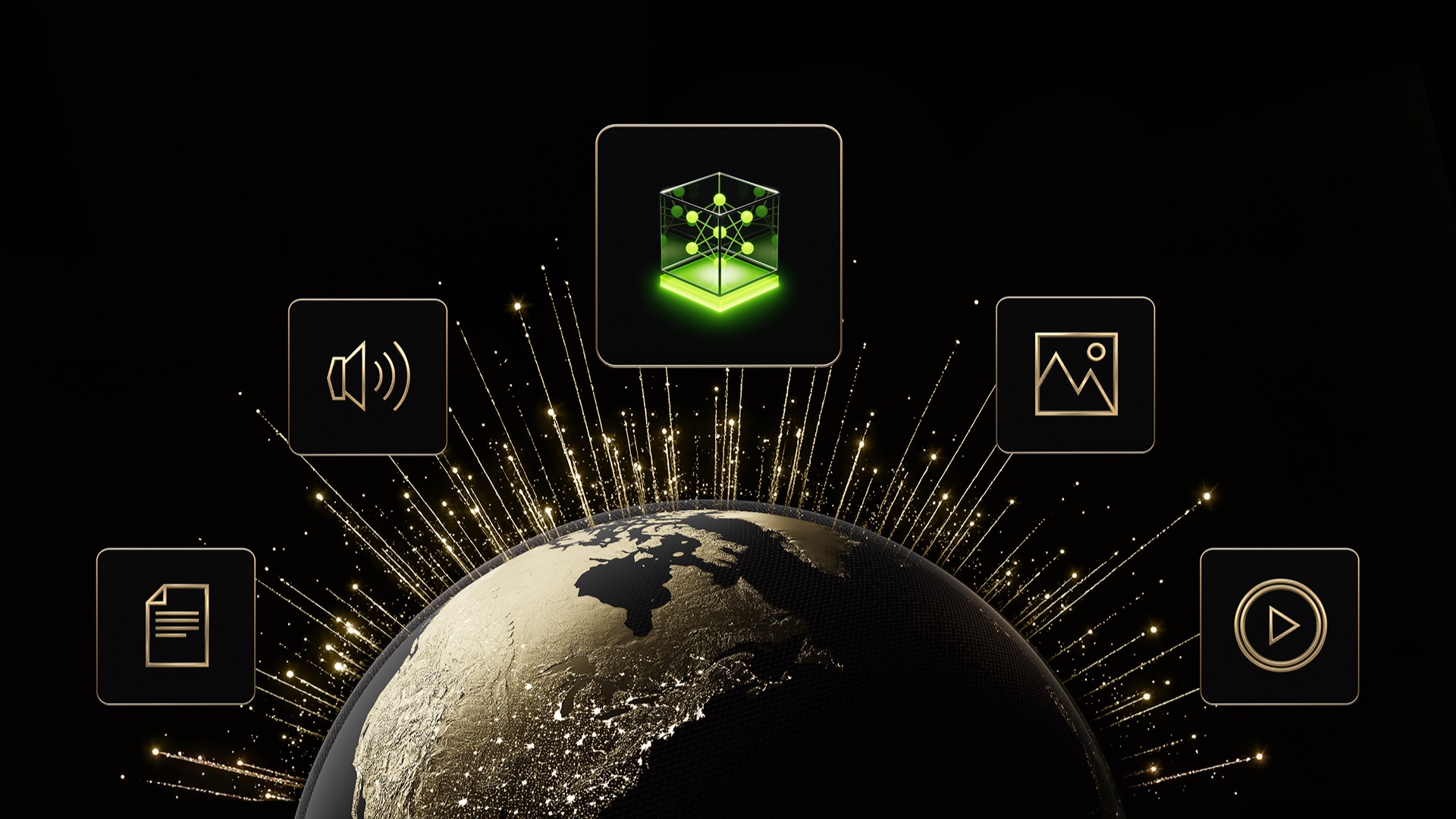
NVIDIA unveiled Nemotron 3 Nano Omni, an open multimodal AI model that unifies vision, audio, and language processing in a single system for more efficient AI agents. The 30B parameter model achieves 9x higher throughput than competing open omni models while reducing latency, cost, and context fragmentation, with applications in computer use agents, document intelligence, and audio-video reasoning workflows.
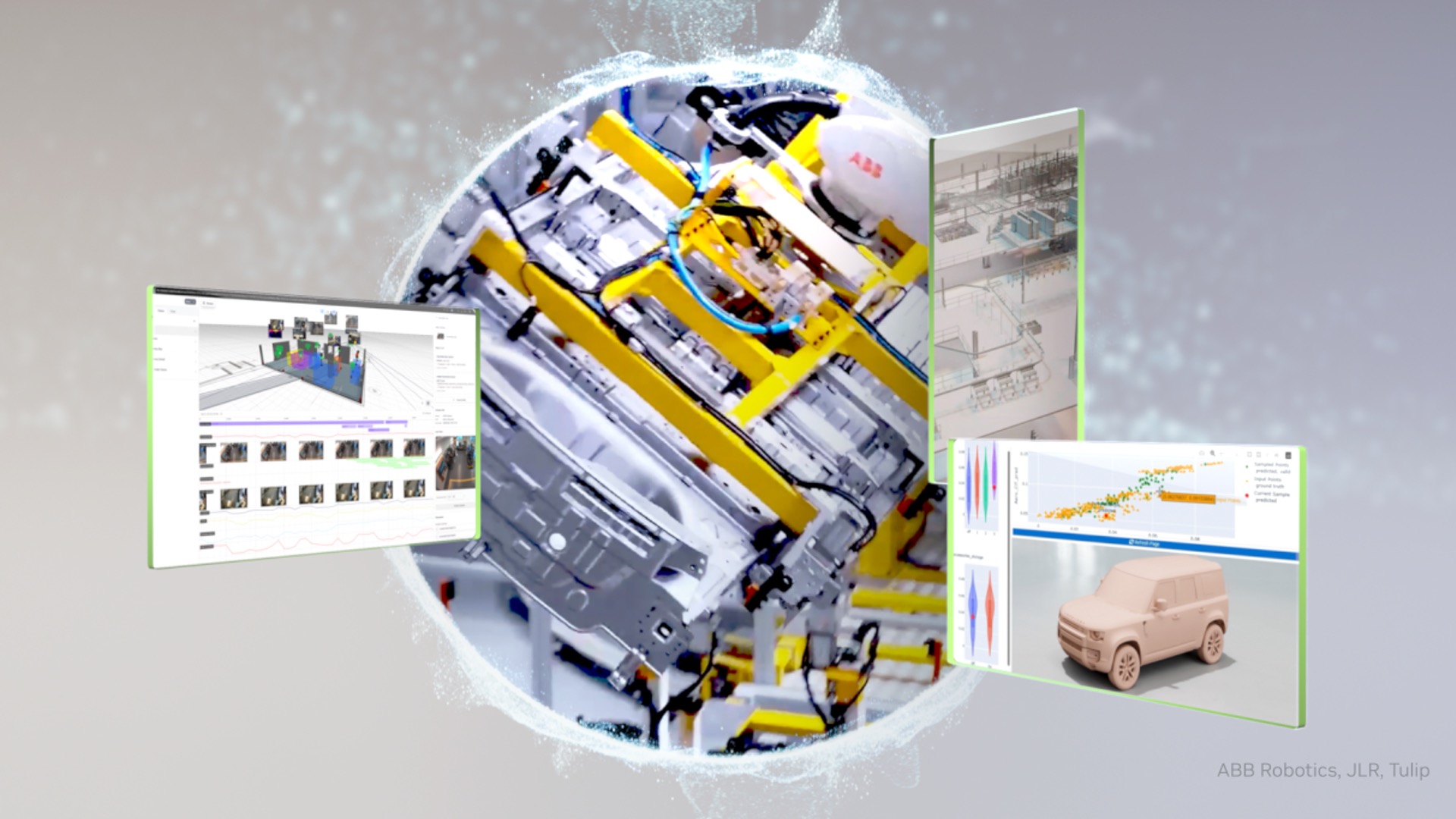
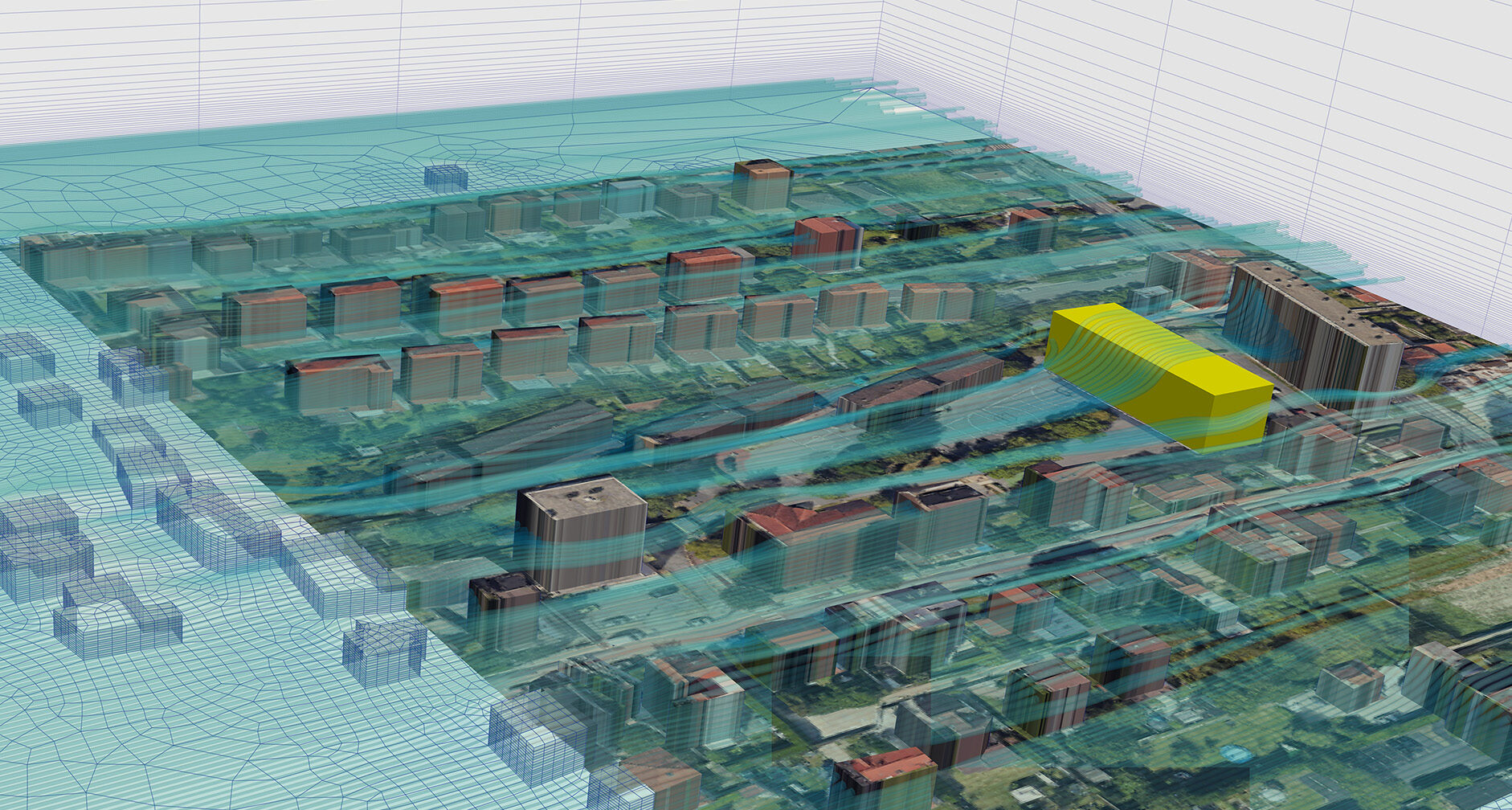
NVIDIA Omniverse and OpenUSD are enabling manufacturers to shift from real-world testing to high-fidelity simulation for training AI and robotic systems, with companies like ABB Robotics achieving 99% sim-to-real accuracy and reducing commissioning times by up to 80%. The article discusses SimReady as a content standard for physically accurate 3D assets, and showcases practical applications including aerodynamic simulation compression and real-time factory intelligence systems.
ABB Robotics launched its new PoWa cobot family, featuring six payload categories ranging from 7-30 kg and speeds up to 5.8 m/s, designed to bridge the gap between traditional cobots and industrial robots for applications like machine tending, palletizing, and arc welding. The cobots feature AI-powered programming tools including RobotStudio and are built on ABB's OmniCore controller platform, with integration of NVIDIA Omniverse capabilities planned for 2026.
Siemens and Humanoid successfully tested the HMND 01 Alpha wheeled humanoid robot in a real factory environment, performing autonomous logistics tasks including picking and placing totes with over 90% success rates and 60 moves per hour throughput. The robot integrates NVIDIA's physical AI stack (Jetson Thor, Isaac Sim, Isaac Lab) and Humanoid's proprietary KinetIQ framework, demonstrating practical deployment of humanoid robotics in manufacturing alongside human workers.
Antioch, a startup founded in May 2025 by former Tesla Autopilot and Google DeepMind engineers, raised $8.5 million to develop cloud-based simulation tools for autonomous robot and system validation. The platform aims to eliminate expensive physical testing by leveraging simulation engines like NVIDIA Isaac Sim and generative AI techniques, allowing robotics teams to conduct testing and validation at software speed rather than hardware speed.
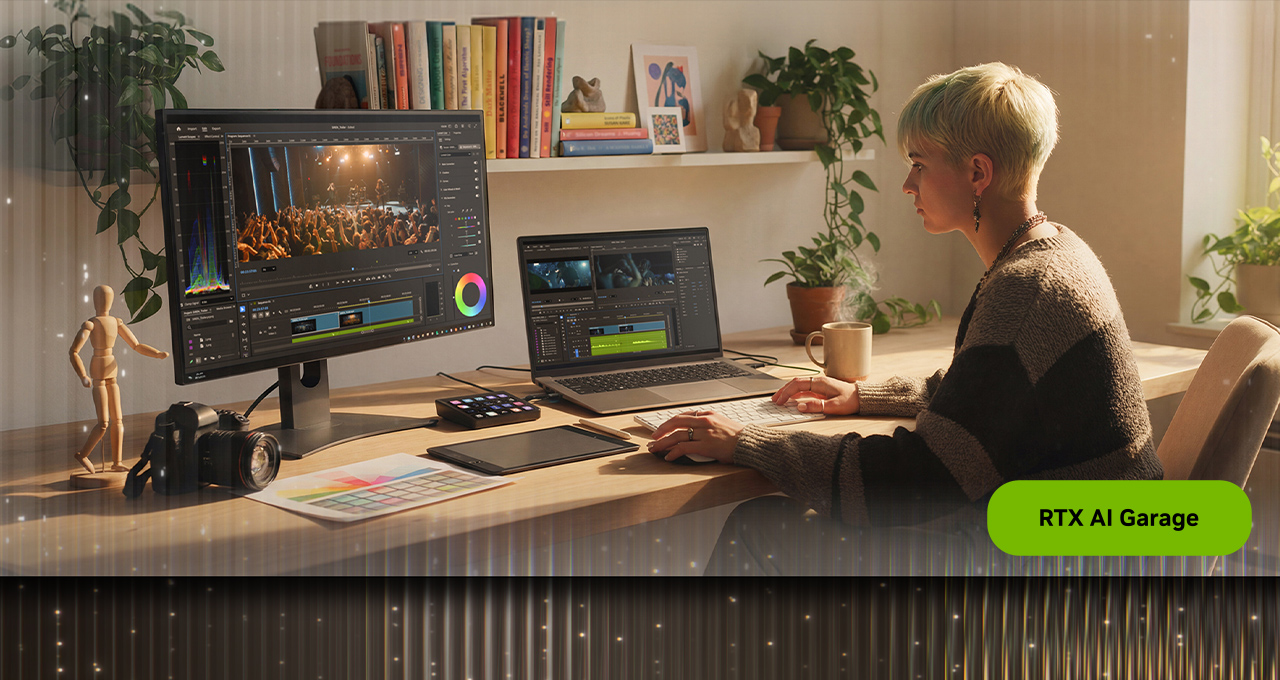
The NAB Show 2026 trade show, running April 18-22 in Las Vegas, is set to showcase a wave of new features and optimizations for top video editing applications. Bringing together over 60,000 content pr...

NVIDIA highlights Physical AI breakthroughs during National Robotics Week, announcing new technologies including Isaac GR00T language models for robot control, Cosmos world models for synthetic data generation, and Newton 1.0 physics engine for manipulation tasks. The company showcases expanded simulation capabilities and real-world applications like surgical robotics with PeritasAI and natural language control via NemoClaw integration with Isaac Sim.

OpenAI has paused its Stargate UK data center project, a partnership with NVIDIA designed to provide the UK with sovereign AI computing capabilities, citing high energy costs and regulatory challenges. The company stated it remains committed to the initiative and will move forward when conditions improve, though the pause may also affect similar sovereign AI projects in other countries including Australia, Greece, and the UAE.

Three YouTubers have filed a class action lawsuit against Apple, alleging the company illegally scraped their copyrighted videos from YouTube to train its generative AI models by circumventing YouTube's streaming protections. The lawsuit is part of a broader wave of copyright infringement cases against tech companies over their AI training practices, with similar suits filed against Meta, Nvidia, ByteDance, and others.

Researchers have demonstrated three new Rowhammer attacks that exploit GPU memory vulnerabilities in Nvidia's high-performance GPUs, allowing attackers to gain full root control of host machines. The attacks, including GDDRHammer and GPUBreach, exploit bit-flip susceptibilities in GDDR memory to escalate privileges and achieve complete system compromise, representing a significant evolution of Rowhammer attacks from CPUs to GPUs.
NVIDIA and Google have optimized Google's Gemma 4 family of open-source language models for efficient deployment on NVIDIA GPUs, ranging from edge devices like Jetson Orin Nano to RTX PCs and the DGX Spark personal AI supercomputer. The new Gemma 4 variants (E2B, E4B, 26B, and 31B) support multimodal capabilities including vision, video, and audio, with native support for tool use and agentic AI applications that can run completely offline with near-zero latency.
This roundup highlights the top 10 robotics developments from March 2026, featuring major announcements including humanoid robot debuts at industry conferences, acquisitions by Amazon (Fauna Robotics and RIVR), new humanoid startups like Noble Machines and Rhoda AI, and industrial applications such as BMW's deployment of Hexagon's wheeled humanoids in manufacturing. The month was marked by significant activity at Smart Factory & Automation World and NVIDIA GTC, showcasing advances in humanoid robots, perception systems, robotic manipulation, and physical AI for production-scale applications.
NVIDIA and Emerald AI unveiled a collaborative approach at CERAWeek to treat AI data centers as flexible grid assets that can dynamically respond to power conditions while maintaining efficiency. The initiative, built on NVIDIA's Vera Rubin reference design and supported by major energy companies, aims to improve tokens-per-watt efficiency and grid reliability through integrated compute, power networking, and intelligent controls. The collaboration includes robotics applications such as Maximo's AI-driven robotic solar installation and digital twin platforms for energy infrastructure optimization.

After releasing DLSS 4.5's Super Resolution feature earlier this year, NVIDIA has released an update with DLSS 4.5 features designed to boost frame rates on RTX 50 series cards. Those include DLSS 4.5...
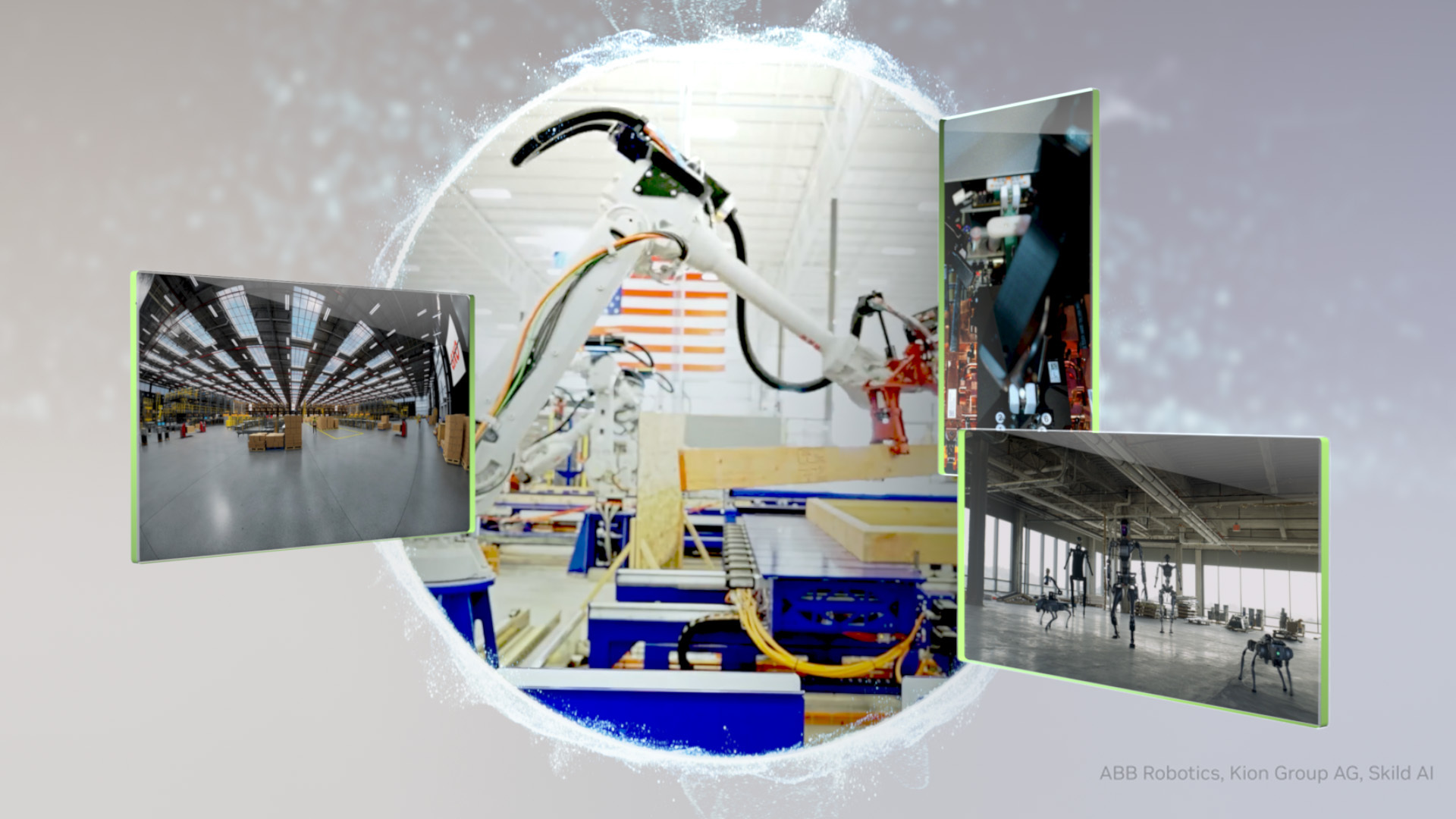
NVIDIA GTC showcased advances in physical AI including new frontier models like NVIDIA Cosmos 3 and Isaac GR00T, along with blueprints for AI factory digital twins and physical AI data generation pipelines. The company introduced the Physical AI Data Factory Blueprint and Omniverse DSX Blueprint to help enterprises scale robotics, autonomous vehicles, and AI factories through unified simulation and synthetic data generation, with adoption already underway from companies like FieldAI, Hexagon Robotics, and Teradyne Robotics.
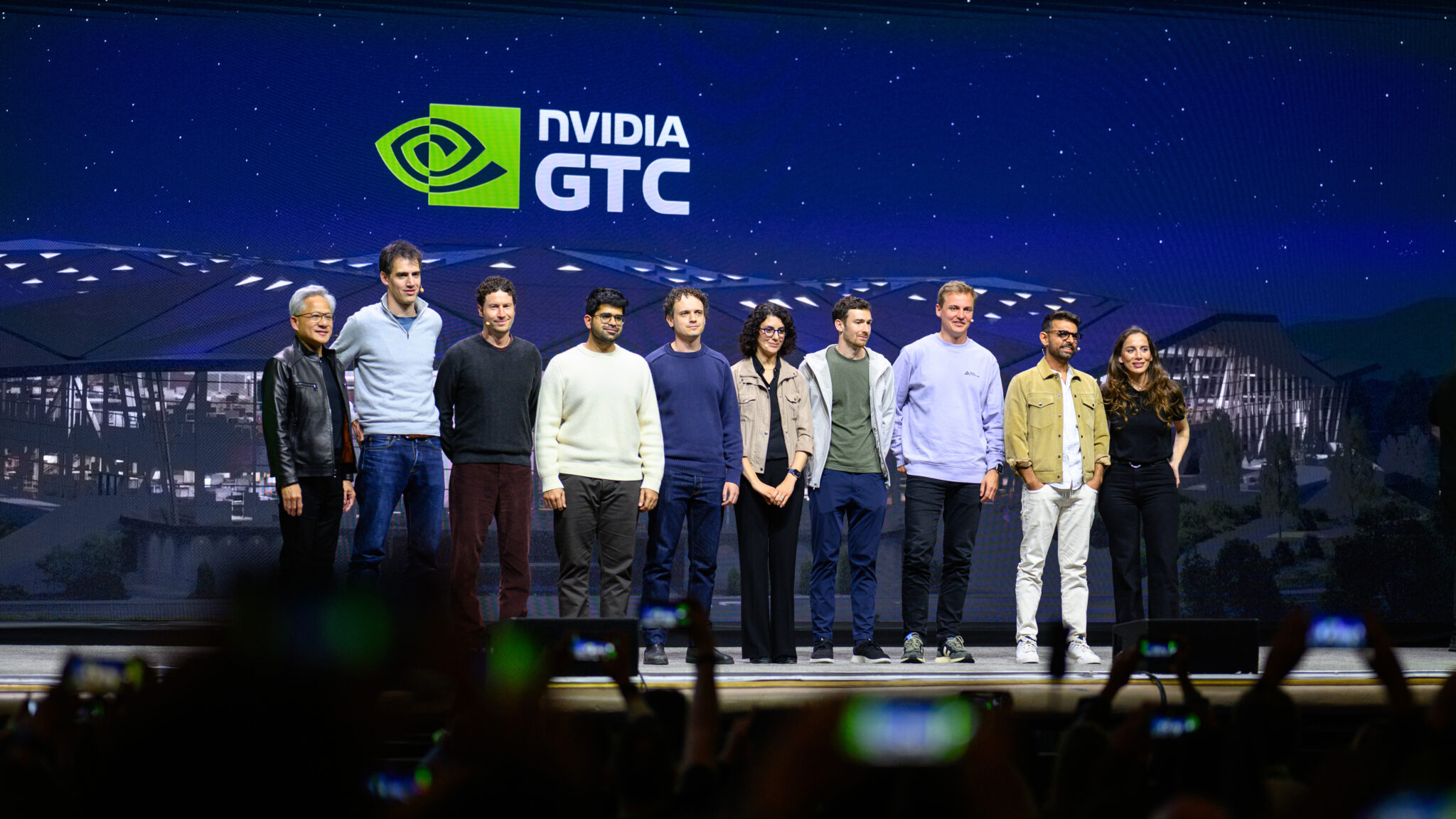
NVIDIA and industry leaders discuss the future of AI as a combination of open-source and proprietary models working together. The company announced the NVIDIA Nemotron Coalition, a global collaboration to advance open foundation models, with the first project being a base model co-developed by Mistral AI and NVIDIA. Panel discussions highlighted how AI agents are becoming capable coworkers, the importance of multi-model orchestration systems, and how openness drives innovation across both frontier AI companies and academia.
Elon Musk's $20 billion Terafab announcement signals a fundamental shift in the AI industry's supply chain strategy. As computing demands explode and export restrictions tighten, major AI players are abandoning the traditional customer-supplier model in favor of vertical integration—with profound implications for NVIDIA, geopolitics, and the future cost of intelligence.
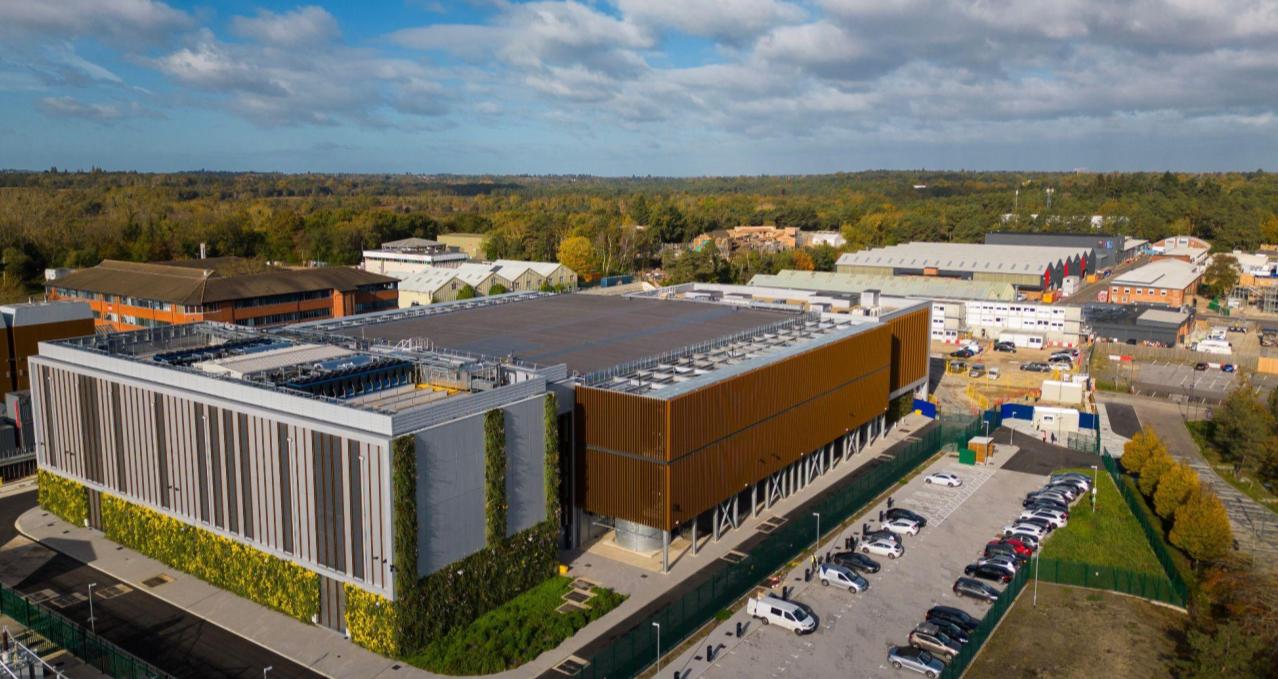
Emerald AI, in collaboration with NVIDIA, EPRI, and National Grid, demonstrated how 'power-flexible' AI factories can autonomously adjust their power consumption to stabilize electrical grids during peak demand periods. The proof-of-concept trial at a Nebius AI factory in London used 96 NVIDIA Blackwell GPUs to successfully respond to grid stress scenarios, including simulated demand spikes, while maintaining high-priority workload performance and achieving 100% alignment with over 200 power targets.

The US Attorney's Office for the Southern District of New York has charged three people with illegally exporting NVIDIA GPUs to China in violation of the Export Control Reform Act. NVIDIA's chips have...

NVIDIA announced DLSS 5 at its GTC conference, a new AI upscaling technology that uses neural processing to deliver photorealistic lighting and materials in games, departing from previous DLSS versions focused on resolution upscaling and frame generation. The announcement sparked significant online backlash from gamers who were critical of the new direction, with industry analysts weighing in on the technology's reception and implementation.
The Pentagon is planning to establish secure environments allowing generative AI companies to train military-specific models on classified data, marking a significant escalation in AI's role in defense operations. The article also covers multiple AI policy and deployment developments, including regulatory concerns about Anthropic, Nvidia's new privacy-focused AI agent platform, and DeepSeek's next-generation model testing.
NVIDIA announced DLSS 5 at its GTC conference, a new AI upscaling technology that uses neural processing to deliver photorealistic lighting and materials in games. The announcement has generated significant backlash from gamers online, who are critical of how the technology differs from previous DLSS versions that focused on machine learning-based resolution upscaling and frame generation.

Rivian and Uber announced a major partnership where Rivian will provide 50,000 robotaxis to Uber in a deal worth $1.25 billion, starting with 10,000 R2 robotaxis to be deployed in San Francisco and Miami by 2028. The partnership is part of Uber's broader autonomous vehicle strategy, which also includes collaborations with NVIDIA, Waymo, Lucid, and Nuro to scale robotaxis across 25+ cities by 2031.
From NVIDIA's NemoClaw platform to DeepMind's decade of AlphaGo research sharing, major AI companies are increasingly embracing open-source approaches. This strategic shift reveals a fundamental tension in the industry: the more powerful AI becomes, the more companies need collaborative development to manage risk, interoperability, and trust.

You can sum up the gamer response to NVIDIA's DLSS 5 announcement with the ever-relevant Fallout 4 meme: "Everyone disliked that." Across social media and Reddit last night, I couldn't find anyone who...
NVIDIA and European rideshare company Bolt announced a partnership to develop autonomous vehicles, with Bolt providing real-world driving data to train NVIDIA's AI models. Bolt will use NVIDIA's Cosmos, Omniverse, Alpamayo, and Drive Hyperion platforms to build a learning engine for autonomous mobility services tailored to European roads.
OpenAI announced a $110 billion funding round at a $730 billion pre-money valuation, with major investments from SoftBank ($30B), NVIDIA ($30B), and Amazon ($50B), along with strategic partnerships to expand AI infrastructure and global reach. The company reported significant user growth across its products, including 1.6M weekly Codex users, 9M paying ChatGPT business users, and over 900M weekly active ChatGPT users with 50M+ consumer subscribers, as it aims to scale frontier AI systems for broader adoption.

NVIDIA has announced DLSS 5, its next-generation upscaling technology launching this fall, which uses a real-time neural rendering AI model to enhance game graphics with photoreal lighting and materials. The technology processes a game's color and motion vectors to generate enhanced visuals up to 4K resolution, demonstrated in games like Resident Evil: Requiem and Starfield at NVIDIA's GTC 2026 keynote.

ByteDance is reportedly purchasing approximately 36,000 of NVIDIA's latest B200 AI chips through a partnership with Singapore-based firm Aolani Cloud, which will build and operate computing systems in Malaysia to circumvent US export restrictions on China. The $2.5 billion infrastructure investment will enable ByteDance to access advanced AI computing capabilities for research and development outside of China, exploiting a regulatory loophole that permits cloud operations in non-restricted countries.
The article investigates the hidden human labor behind humanoid robot development, revealing workers in low-wage regions provide training data through demonstrations, VR/exoskeleton work, and remote tele-operation of robots like 1X's Neo. The piece argues that lack of transparency about this human infrastructure leads to overestimated robot capabilities and creates new forms of wage arbitrage and privacy concerns in the emerging physical AI sector.

Nuro, an autonomous vehicle startup backed by NVIDIA, Toyota, and Uber, has begun testing self-driving vehicles on Tokyo's streets as part of its broader expansion plans. The company aims to achieve Level 4 autonomy and plans to launch a robotaxi service with Uber and Lucid in San Francisco this year, while also exploring autonomous delivery applications beyond ride-sharing.

When you think of an AI-forward PC, you might think of something like NVIDIA's $3,999 DGX Spark - a computer with enough computing power to run complex large language models locally. That's not what R...

Meta's massive deal with NVIDIA to deploy confidential computing for WhatsApp AI marks a watershed moment in tech infrastructure strategy. As AI capabilities expand into sensitive personal domains, companies are racing to build privacy-preserving computation architectures—not just as a compliance measure, but as a fundamental competitive advantage.

NVIDIA is reportedly developing NemoClaw, an open-source AI agent platform designed for enterprise use, with a focus on security features to address concerns about autonomous AI agents running unpredictably in business environments. The company has allegedly pitched the platform to major software companies like Salesforce, Cisco, and Google, with plans to potentially announce it at its upcoming developer conference.

NVIDIA's GeForce Now game streaming platform has added a few minor but useful updates, especially for GOG and VR headset users, the company announced at Game Developer's Conference (GDC). The biggest...

Nvidia CEO Jensen Huang denied reports of unhappiness with OpenAI and reaffirmed the company's commitment to a major investment in the ChatGPT maker, clarifying that while it won't be the previously announced $100 billion, it will still be 'probably the largest investment we've ever made.' Huang expressed confidence in OpenAI's work and its significance as one of the most consequential AI companies.

A UK trial demonstrated that AI data centers can dynamically reduce power consumption by up to 40% without disrupting critical workloads, using software from Emerald AI in partnership with NVIDIA, National Grid, and others. The study tested the data center's ability to respond to grid demand events over five days in December 2025, successfully adjusting energy use in real-time, with findings expected to inform NVIDIA's planned 100MW power-flexible AI facility in Virginia.

OpenAI announced a $110 billion funding round led by Amazon ($50B), NVIDIA ($30B), and SoftBank ($30B), valuing the company at $730 billion. The funding includes strategic partnerships where AWS will serve as OpenAI's exclusive cloud distribution provider and both companies committed to significant computational capacity commitments, with Amazon's funding partially contingent on OpenAI achieving artificial general intelligence.
Mercedes-Benz unveiled a new S-Class built on NVIDIA's DRIVE AV platform, featuring a level 4-ready autonomous driving architecture designed for future robotaxi operations. The vehicle integrates NVIDIA DRIVE Hyperion with sensor redundancy, multimodal perception, and parallel AI/safety stacks to handle complex driving scenarios, and will be deployed through Uber's mobility network as part of a strategic partnership between the automakers and NVIDIA.

NVIDIA is a very busy company, and between all the graphics cards and AI-chasing, it wouldn't be wholly surprising to see the company forget about its more niche offerings, such as the Android-powered...

Meta has agreed to purchase up to six gigawatts of AMD's Instinct GPUs based on MI450 architecture, with first deployments beginning in H2 2026. The deal includes an unusual equity component where AMD could issue Meta up to 160 million shares (potentially 10% ownership) contingent on meeting GPU shipment milestones, representing Meta's push to diversify away from NVIDIA for AI infrastructure.
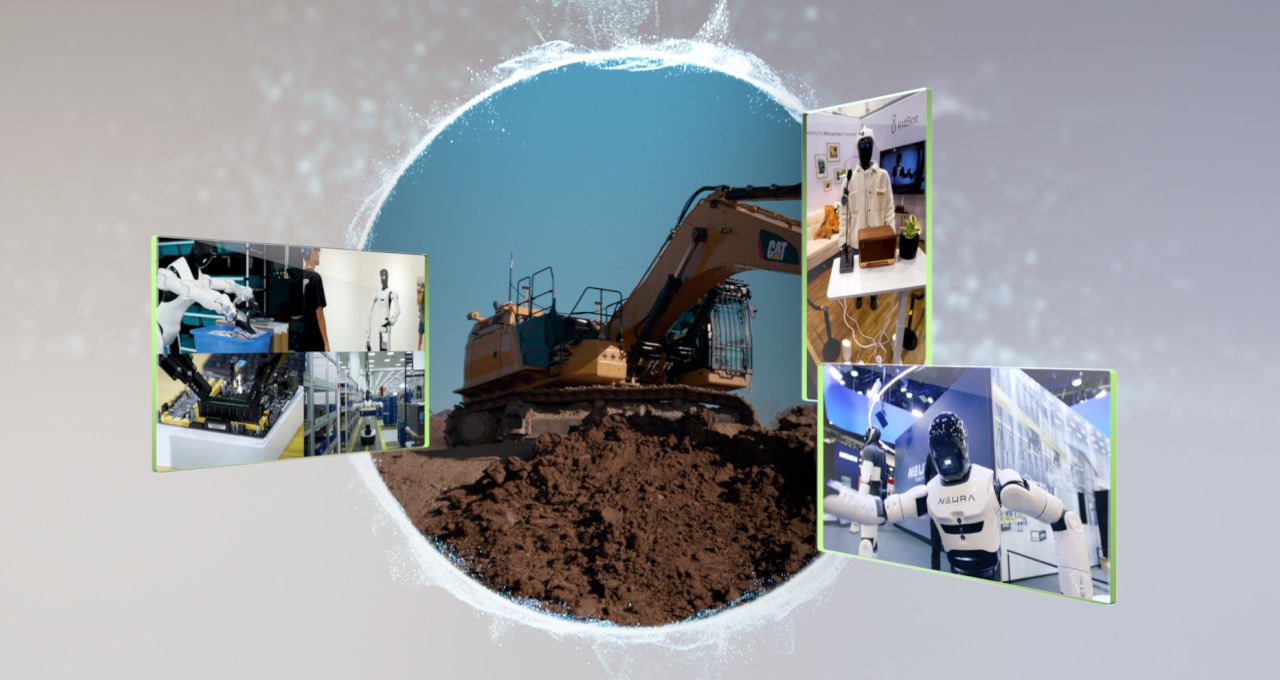
NVIDIA announced a comprehensive suite of open physical AI models and frameworks at CES 2026 to accelerate robotics and autonomous systems development, including new tools for simulation, synthetic data generation, and edge deployment. The stack was demonstrated through real-world applications including Caterpillar's AI-assisted heavy equipment, LEM Surgical's FDA-cleared robotic surgical system, and NEURA Robotics' humanoid and service robots, all leveraging NVIDIA's Omniverse, Isaac, and foundation model technologies.
Meta announced a major partnership with NVIDIA to purchase millions of Blackwell and Rubin GPUs, with plans to deploy NVIDIA's Confidential Computing technology in WhatsApp to enable AI-powered features while protecting user data privacy. The deal also includes Meta being the first to deploy NVIDIA's Grace CPUs in standalone configurations for inference and agentic workloads, supporting Meta's broader $600 billion AI infrastructure investment through 2028.