
Your Robot Doesn't Need to Like You — But Your Brain Wants It To Anyway
There's a fascinating disconnect happening in robotics right now, and it's not about hardware or algorithms. It's about what happens inside human brains when robots don't meet our unconscious social expectations.
A new study published in Science Robotics examined how people's brains respond when the social robot Pepper makes mistakes while being expressive versus neutral. The results are telling: when an animated, expressive robot fails at a task, participants showed increased brain activity patterns that suggest genuine social discomfort — not just confusion or surprise, but the kind of neural signature associated with witnessing social awkwardness in other humans.
This matters because it reveals something the robotics industry hasn't fully grappled with: we've already crossed a threshold where humans unconsciously apply social rules to machines that look and act social, even when we consciously know they're not sentient. The research suggests that once a robot displays social cues — facial expressions, body language, conversational tone — our brains essentially can't help but evaluate them as social actors. And when they violate those expectations by being clumsy or making errors, we experience something close to secondhand embarrassment.
The implications are profound for humanoid robot design. We're seeing an explosion of expressive humanoid platforms, from research labs building open-source designs to companies deploying robots in customer-facing roles. Berkeley's Humanoid Lite costs under $5,000 and is designed to be accessible and customizable. RoboCup 2026 just hosted the first full 11-versus-11 humanoid soccer match, with robots demonstrating coordinated teamwork. These platforms are becoming more capable, more affordable, and more socially present.
But if the brain research is correct, we may be engineering ourselves into an uncanny valley of competence. A robot that moves expressively and looks humanoid sets high social expectations. When it inevitably fails — and all robots fail — that failure might trigger stronger negative responses than a purely functional machine making the same mistake would.
The study points to a design paradox: making robots more expressive and lifelike might actually damage human-robot interaction quality unless those robots achieve near-perfect reliability. That's a tall order for technology still learning to navigate stairs consistently.
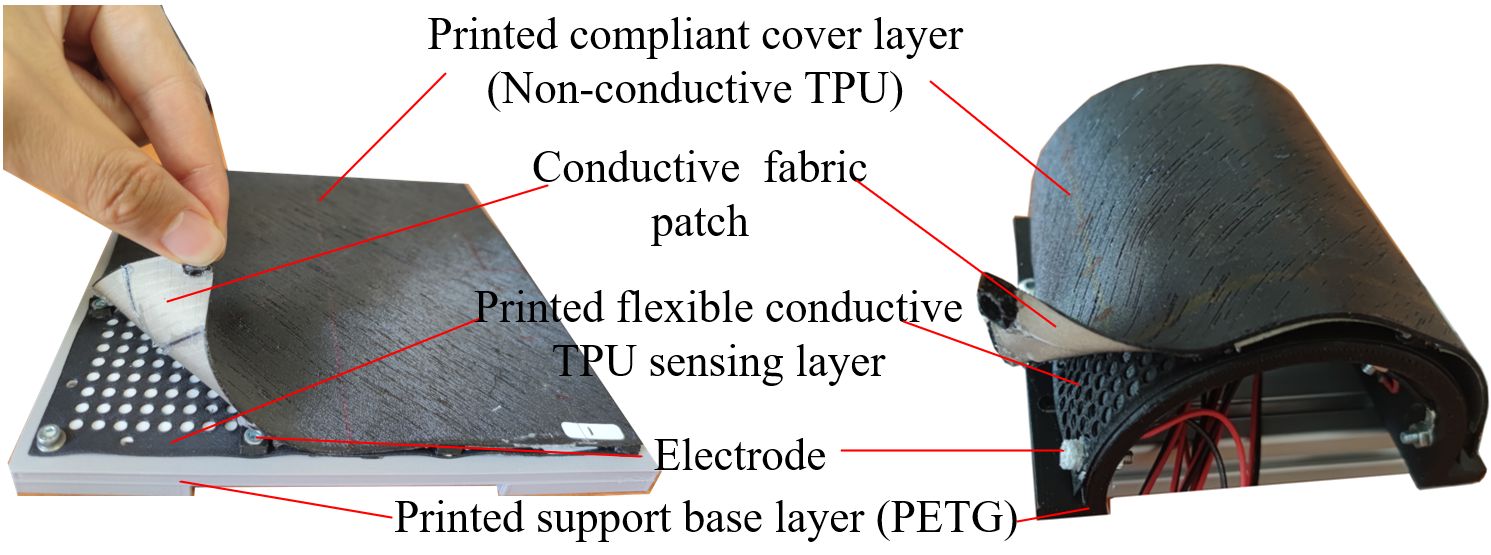
Some researchers are already exploring solutions. The 3D-printed artificial skin developed for touch sensing could help robots react more naturally to physical interactions. But sensing isn't the same as social competence, and our brains apparently won't grade on a curve just because the robot is trying hard.
The real question is whether the industry will adjust its approach. Right now, there's enormous pressure to make robots that look and act human — it's what gets funding, media attention, and consumer interest. But this research suggests we might need a more nuanced strategy: either commit fully to social competence (which may be years away) or deliberately design robots that signal their limitations through less expressive, more functional aesthetics.
We're teaching robots to be social. Turns out, we should have asked our brains if they were ready first.