

When Disaster Strikes, Who Builds the Robots?
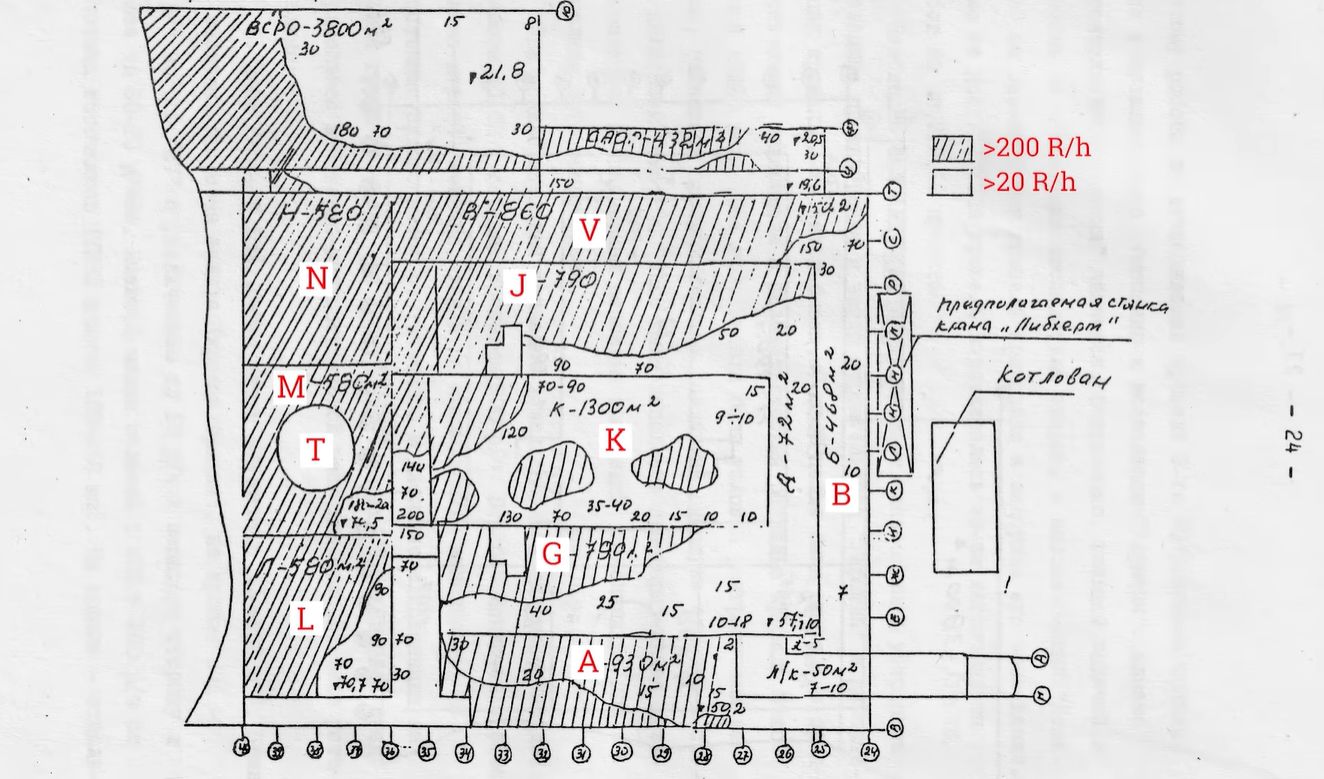
There's a fascinating article making the rounds about the Chernobyl cleanup efforts, and it reads less like a robotics case study and more like a fever dream. Soviet engineers, international collaborators, and whoever else could grab a soldering iron threw together specialized robots in a matter of days to handle debris removal in conditions that would kill a human in minutes. No product roadmaps. No Series A funding. No time for the usual bureaucratic theater that accompanies modern robotics development.
It's a stark contrast to the careful, methodical approach we see everywhere else in the industry today. Consider the recent news cycle: companies announce seven-year, $900 million contracts for shipbuilding robots. Startups raise seed rounds and talk about "scaling deployment." Universities open new labs with million-dollar donations and multi-year research agendas. This is how we build robots in 2026 — with PowerPoint decks, quarterly earnings calls, and enough planning to make a wedding coordinator weep with envy.
And yet, when we look back at genuinely transformative moments in robotics history, they often look a lot more like Chernobyl than like a corporate strategy meeting. The question is: what does that imbalance tell us about our current innovation ecosystem?
The modern robotics industry has become remarkably good at incremental improvement within well-defined problem spaces. AMRs getting better at warehouse navigation. Robotic arms achieving finer dexterity for manufacturing tasks. These are important advances, but they're advances along predictable vectors. We know roughly what the technology will look like in three years because we know what it looks like today, plus better sensors, plus more training data, plus faster processors.
What we've arguably lost — or at least dramatically de-emphasized — is the capacity for rapid, improvisational problem-solving under constraint. The Chernobyl robots weren't better than modern systems in any technical sense. They were worse. Much worse. But they existed, and they existed quickly, because the people building them had no choice but to figure it out right now with whatever was available.
This isn't an argument for abandoning careful engineering or pretending that corner-cutting is virtuous. The reason we have standards, safety protocols, and lengthy development cycles is that they usually produce better outcomes. But there's something worth preserving in that old model of desperate ingenuity — the ability to go from "we need a thing" to "here is a working thing" in days instead of quarters.
Look at some of the more interesting developments in recent news: a hobbyist building an automated bolt sorter from repurposed 3D printer parts and an ESP32 camera. It's not going to replace industrial sorting systems, but it demonstrates the kind of resourceful problem-solving that used to drive more of the industry. Meanwhile, the big headline is a billion-dollar, seven-year contract to eventually deploy robots in shipyards. Both are valuable. But if another Chernobyl happens tomorrow — if we face a challenge that demands novel robotic solutions immediately — which development model are we going to wish we'd invested more heavily in?
The robotics industry has matured, and that maturity brings enormous benefits: reliability, safety, scalability. But maturity also tends to calcify processes, extend timelines, and filter out the kind of chaotic, all-hands-on-deck engineering that produces breakthroughs when the situation demands it. As we build an industry increasingly focused on predictable deployment schedules and risk-managed innovation, we might want to keep one eye on the history of what happens when predictability isn't an option — and make sure we're not losing the muscle memory for building robots that the world needs right now, not next fiscal year.