

Hobbyists Are Building Better Robots Than They Have Any Right To
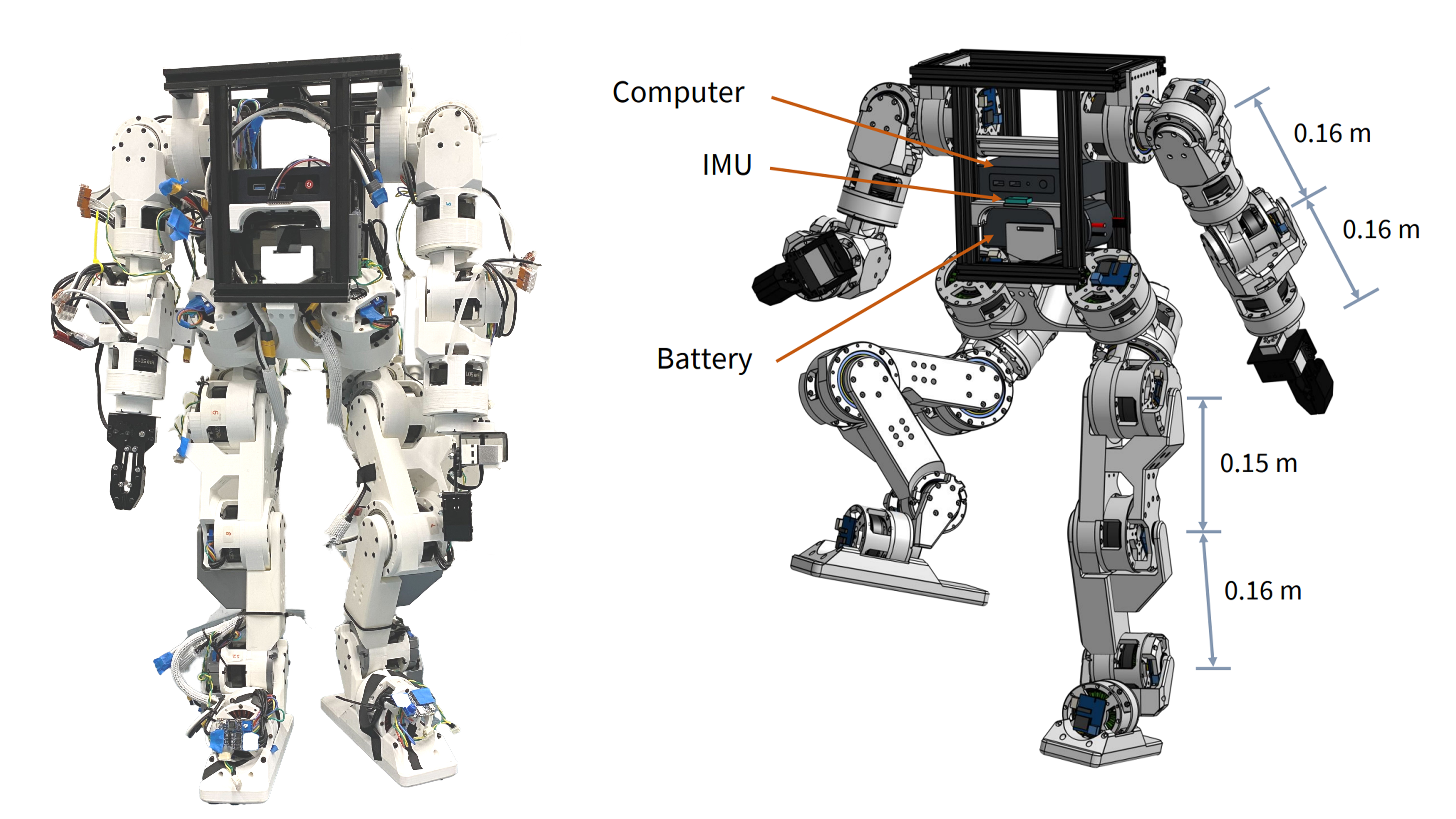
Something peculiar is happening in robotics, and it's not coming from the labs with the biggest budgets. This week alone, we've seen a hobbyist convert a small industrial arm into a precision badminton server, Berkeley researchers publish plans for a humanoid that costs less than a used car, and someone build an automated library system for microSD cards using 3D printer components. These aren't tech demos. They're functional robots built by people who, a decade ago, would have needed university resources or corporate backing to attempt anything similar.
The Berkeley Humanoid Lite deserves particular attention. At under $5,000, it uses 3D-printed modular actuators that combine motors with cycloidal gearboxes and magnetic encoders — components that would have cost tens of thousands just five years ago. More importantly, the entire design is open-source on GitHub. The researchers aren't protecting IP or seeking patents. They're handing the world a blueprint and saying "here, improve this."
Meanwhile, the badminton shuttle server represents a different kind of achievement. Built from a salvaged Denso VS050 arm, custom 3D-printed metal parts, and firmware coded on an ATmega AVR, it solves a specific problem that no commercial robot manufacturer would ever bother addressing. There's no market for badminton training robots. But there is a person who wanted one, had the skills to build it, and now has a machine that works.
The microSD card library system follows similar logic. Using T-bot kinematics and rack-and-pinion grippers inspired by 3D printer designs, it automates a task that precisely zero companies are trying to commercialize. Yet it exists, it functions, and the creator shared the design.
What connects these projects isn't just technical cleverness — it's accessibility. Every component in these builds can be ordered online. The software runs on commodity microcontrollers. The mechanical designs use standardized parts or printable components. Someone in Bangkok, Buenos Aires, or Bangalore could replicate any of these systems with a modest budget and YouTube tutorials.
This democratization creates an uncomfortable dynamic for the robotics industry. When a university team can publish humanoid designs for less than the cost of a single Boston Dynamics publicity stunt, when hobbyists can build functional automation with scavenged parts, the traditional moats around robotics expertise start looking pretty shallow. The knowledge is out there. The tools are affordable. The community shares designs freely.
Corporate robotics still has advantages — reliability engineering, safety certification, supply chain management, support infrastructure. But the gap in pure capability is shrinking fast. The maker who built that badminton server might not have ISO certification, but they also didn't need eighteen months of stakeholder meetings to decide whether the market justified development.
We're watching two robotics ecosystems emerge. One moves slowly, burns capital, and optimizes for scalability. The other moves fast, burns through 3D printer filament, and optimizes for "I want this thing to exist." Both have value. But only one is getting radically cheaper and more accessible every month.
The question isn't whether hobbyist robotics can compete with industry. It's whether industry can keep up with the pace of innovation happening in garages, makerspaces, and university labs willing to give their work away for free. Based on this week's news, that's not a question the corporate labs should feel comfortable answering.