

Hobby Robotics Just Got Surprisingly Serious
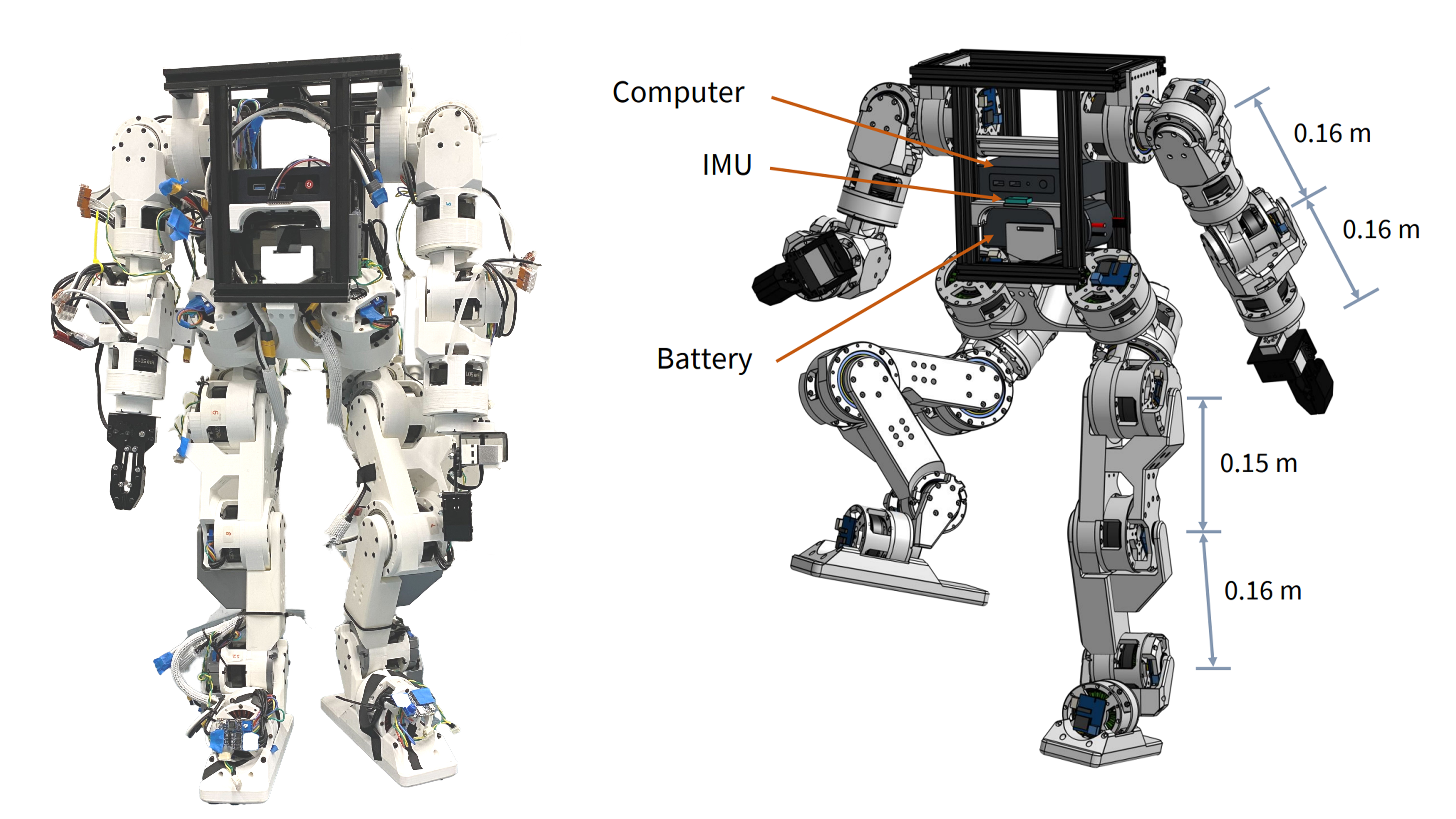
Something unusual is happening in the robotics world, and it's not coming from Boston Dynamics or Tesla's labs. In the past week alone, we've seen a hobbyist engineer build a precision badminton serving robot from a repurposed industrial arm, another maker create an automated microSD card library system using 3D printer components, and Berkeley researchers release plans for a sub-$5,000 humanoid robot that anyone can build.
These aren't just cute weekend projects. The badminton robot required custom firmware development and 3D-printed metal parts. The microSD library system uses sophisticated T-bot kinematics and rack-and-pinion grippers. The Berkeley Humanoid Lite incorporates custom cycloidal gearboxes and magnetic encoders in modular, open-source actuators that can be fabricated with accessible tools.
What's remarkable isn't that people are building robots in their garages—that's been happening for decades. What's changed is the level of capability now achievable without institutional backing. Ten years ago, building a functional humanoid robot required either a university robotics lab or a seven-figure budget. Today, Berkeley is publishing GitHub repositories that put humanoid robotics within reach of a determined undergraduate or well-funded hobbyist.
This democratization is being driven by several converging trends. 3D printing has matured to the point where complex mechanical components can be fabricated at home. Open-source hardware platforms have lowered the barrier to sophisticated control systems. Component costs have dropped dramatically—the motors, sensors, and microcontrollers in these projects would have cost ten times as much a decade ago.
But there's a deeper story here about where innovation actually happens in robotics. While Meta tests vendor robots in data centers and companies race to build the next general-purpose humanoid, individual makers are solving niche problems with creative constraints. The badminton robot doesn't need to be general-purpose—it just needs to reliably serve shuttlecocks. The microSD library doesn't need AI—it needs precise mechanical execution. These focused solutions often pioneer techniques that later scale to commercial applications.
The timing is particularly interesting given the current economics of commercial robotics. Venture capital has poured billions into humanoid robotics companies promising general-purpose platforms. Meanwhile, a Berkeley team just demonstrated that you can build a walking, functional humanoid for the cost of a used car. That's not a threat to commercial developers—it's an amplifier. Every open-source design, every maker project shared online, becomes a training ground for the next generation of robotics engineers and a testbed for ideas too risky or specific for commercial R&D.
We're entering an era where the line between "hobby project" and "serious robotics" is increasingly meaningless. When a weekend maker can design custom actuators, program sophisticated motion control, and share the results with thousands of other builders, the traditional gatekeepers of robotics expertise lose their monopoly. The innovations coming from makerspaces today might be the commercial products of tomorrow—or they might remain delightfully specific solutions to problems only their creators cared about solving.
Either way, robotics is better for it. The field needs both the billion-dollar moonshots and the garage tinkerers who just want to build a really good shuttlecock server. Based on this week's projects, the tinkerers are doing just fine.