

Forty Years After Chernobyl, Disaster Robots Are Still Playing Catch-Up
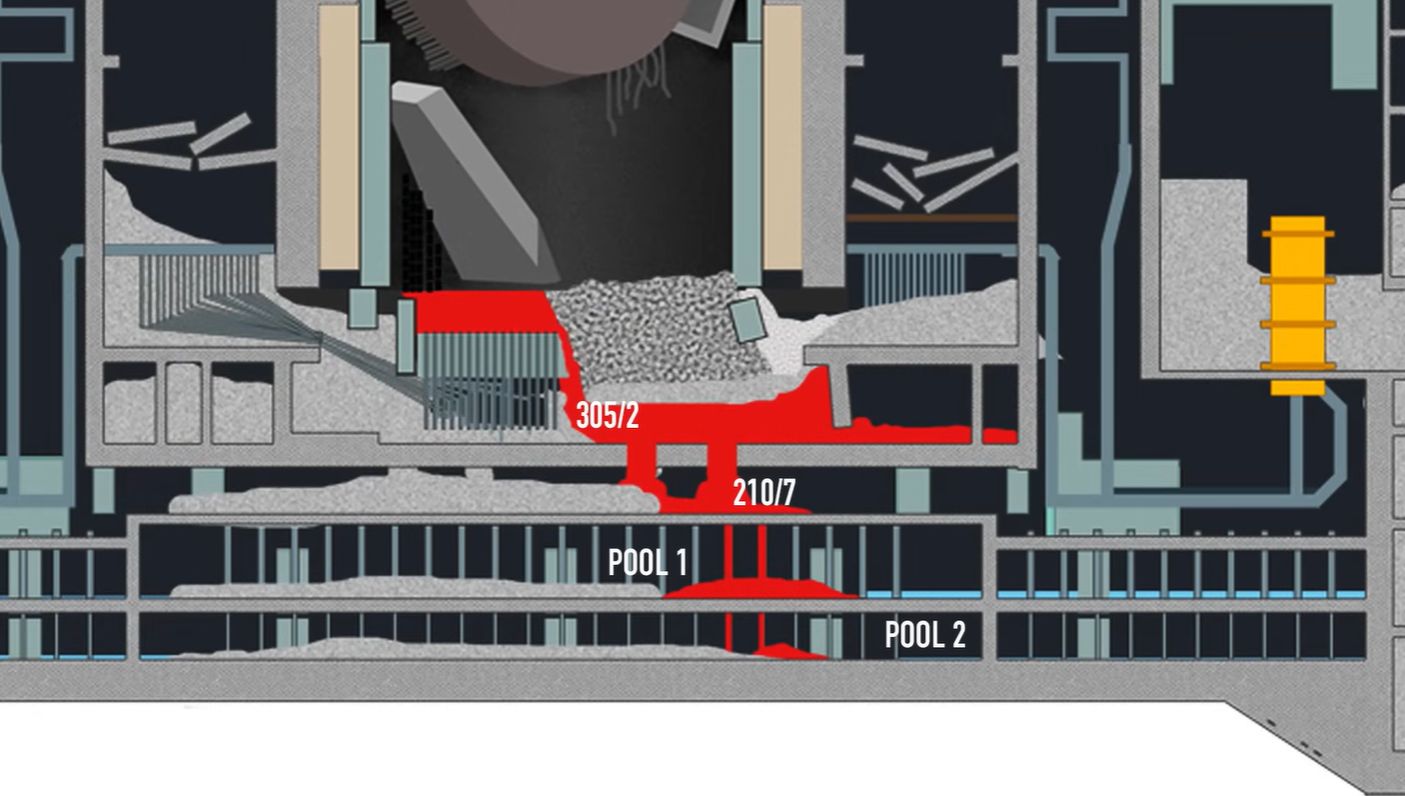
The Ukrainian Institute for Safety Problems of Nuclear Power Plants has spent forty years developing robots to manage the ruins of Chernobyl's reactor #4. Forty years. Let that sink in for a moment. These TR-series machines crawl through one of Earth's most hostile environments, handling materials so radioactive that humans can't approach them. It's painstaking, essential work—and it's happening at a glacial pace compared to nearly every other robotics sector.
Meanwhile, Cambridge Aerospace just raised $300 million for defense drones in a company founded mere months ago. Hadrian Automation pulled in $1.37 billion to build AI-powered factories for aerospace and defense manufacturing. The U.S. Army is spending $15.9 million on autonomous logistics systems. The funding disparity isn't subtle—it's staggering.
This isn't an argument against defense robotics or autonomous manufacturing. Both serve legitimate needs, and the technology developed often finds civilian applications. But the contrast highlights an uncomfortable truth about how we allocate resources for robotics development: urgent commercial or military applications attract capital at lightning speed, while robots designed for disaster response—technology we desperately hope never to need but absolutely must have ready—advance at a crawl.
The Chernobyl robots represent a category of robotics that doesn't fit neatly into startup pitch decks. There's no massive addressable market. You can't project exponential growth curves. Investors can't envision robots-as-a-service subscription models. These machines exist for scenarios we pray won't happen, in environments so extreme that testing and iteration take years, not sprints.
Yet Fukushima in 2011 proved we still need them. When that disaster struck, Japan had to rapidly develop new robots because existing technology wasn't adequate. The same pattern repeated: crisis hits, scramble to build appropriate robots, make incremental progress, then watch funding dry up until the next catastrophe.
Compare this to how quickly autonomous trucking companies pivoted to meet commercial demand, or how defense contractors can mobilize billions virtually overnight. PlusAI is preparing factory-built autonomous trucks for 2027 deployment with clear commercial pathways. Defense drones achieve SAE Level 4 autonomy with massive backing. But robots for nuclear disasters? Still being refined four decades after the world's worst nuclear accident.
The technical challenges are genuinely harder—extreme radiation destroys electronics, environments are unpredictable, and there's zero margin for error. But that's precisely why these robots deserve sustained, serious investment rather than sporadic attention between crises.
What's needed is a different funding model entirely. Nuclear disaster response robots should be treated like infrastructure—unglamorous, essential, and worthy of consistent public investment regardless of immediate return. Several countries maintain strategic petroleum reserves; why not strategic robotics capabilities for extreme disasters?
The irony is that many technologies developed for these extreme environments—radiation-hardened electronics, advanced teleoperation systems, robust autonomy in GPS-denied spaces—have applications far beyond disaster response. But we won't unlock that potential if development continues at the current pace.
Forty years is too long. The next major nuclear incident—and there will be one—shouldn't find us still playing catch-up with forty-year-old robot designs. We've proven we can mobilize billions for defense and commercial robotics in months. It's time to ask why we can't do the same for technology that might actually save cities.